
Reducing Supplier Fatigue with AI: How TPRM Solutions Simplify Life for Suppliers and Buyers
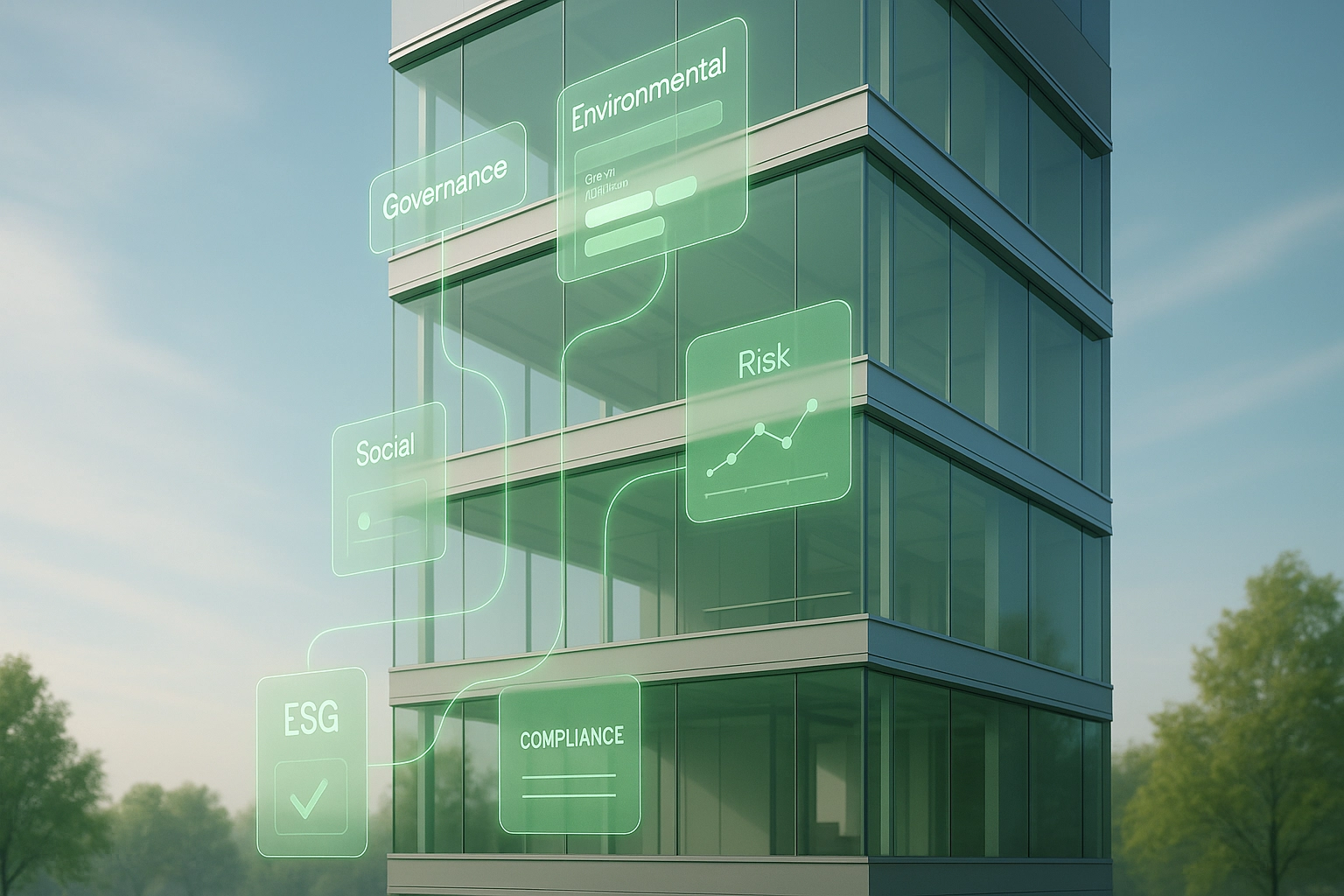
In many industries, document submission remains a time-consuming task for subcontractors, especially SMEs. Insurance certificates, legal documents, compliance records… these must be provided regularly, often via complex, paid platformsor manual processes that consume time and energy. The result: growing supplier fatigue, fueled by redundant requests, unintuitive interfaces, and a lack of automation.
A Key Issue for Buyers
The situation is no better for buyers. Reviewing and analyzing hundreds—or even thousands—of supplier documents requires significant effort. Manual verification causes delays, increases the risk of error, and makes it hard to detect non-compliance. In response, next-generation Third Party Risk Management (TPRM) solutions, enhanced by AI, offer an effective and sustainable solution.
AI: A Driver of Efficiency for Both Sides
The integration of Artificial Intelligence into TPRM solutions is fundamentally transforming document management between suppliers and buyers. Far from being a simple automation tool, AI becomes a smart assistant dedicated to performance and compliance.
For Suppliers: Less Burden, More Simplicity
AI significantly reduces the administrative burden for suppliers. Rather than manually filling out multiple fields or sending documents via email or through multiple portals, the subcontractor uploads a document—such as an insurance certificate—once on the platform.
Thanks to AI algorithms and intelligent data extraction, the solution identifies:
- The document type,
- The insurance company,
- The validity period,
- Guarantee amounts or specific clauses.
Suppliers are guided in real-time, with alerts for missing fields or invalid documents. This avoids back-and-forth communication, unnecessary follow-ups, and associated frustration. In just a few minutes, the task is completed—correctly.
For Buyers: Enhanced Control, Time Savings
For compliance, procurement, or risk teams, AI acts as an intelligent filter. Every received document is automatically analyzed: data validity, anomaly detection (expired date, incorrect name, missing signature), consistency with contractual requirements…
The platform immediately flags non-compliance, triggers automatic reminders, or suggests corrective actions. No more dedicating human resources to repetitive, low-value verification tasks: humans retain decision-making power, while delegating the tedious control phase to AI.
A Virtuous Circle
This dual benefit creates a positive cycle:
Suppliers submit documents faster
with less effort.

Buyers analyze more efficiently
with greater accuracy.
Both parties save time
reduce friction, and improve overall communication quality.
A Legitimate Question: Who Pays?
The cost issue remains. Should suppliers bear the cost of the document portal? Increasingly, stakeholders choose collaborative models where user-friendliness and tangible benefits justify shared contributions. The goal is to build a balanced and sustainable relationship with third parties.